
An article in the
Business Courier and
Streetvibes both report that a deal is in the works to close the Metropole Apartment building and convert it to an expensive boutique hotel. I think this is a big mistake, and I will explain why.

In my short memory, downtown once had many of these kind of places. Now there just two, the Metropole and the Dennison. Sometimes called Single Room Occupancy (SROs) or coldwater flats, these are small apartments, often with shared toilet facilities and minimal if any kitchen facilities, often charging rent by the week. They are just about the cheapest housing to be found. Charging by the week allows the landlord to classify the rooms as hotels and thus avoid leases and lenghty eviction procedures. If the tenant doesn't pay that week, the lock can simply be changed.
The people who rent at places like this are often single and just one step above homelessness:

Often, they are people without family help. They may be collecting social security or they may be dishwashers at a downtown restaurant. They may be a panhandler or an alcoholic. But they live among us day to day and 99% of them cause no harm to other residents or visitors to downtown other than to pass us on the sidewalk and look unkempt or ask for a cigarette.
Like I said, at one time there were many SRO apartments downtown. There was the Milner Hotel, which was on Garfield with 115 units. It was demolished and replaced by Towne Properties' Greenwich on the Park in the 1990s.

There was also the Fort Washington, on Main Street. The Lafayette on 8th, and of course there was the YMCA, which closed it's SRO just a few years ago.
I encourage you to read
this Enquirer article from 1999 about the possible closing of the Fort Washington. It paints an honest picture of the people involved.

Fort Washington overall:

Thirty years ago there were over 1700 SRO type units in the CBD. That number is now 325. If the Metropole is closed it leaves only the Dennison with it's 105 rooms and 60 baths:

The back of The Dennison:

There is some cheap housing in the CBD like these units on Court Street. Not really an SRO, but if you can manage a lease, monthly payments and utility bills, this is an option:

But the problem is that many of the people who live in SROs cannot make it in standard rental housing. They cannot sign yearly leases. They cannot collect a month's deposit. They cannot get utilities on in their name, and they especially cannot pay higher rents. And you could blame them
as another blogger has and say they are lazy or shiftless, (maybe some of them are) but the fact is they are human beings and this kind housing serves their needs. Without this, many of them will be on the street:
.JPG)
In fact I believe that the continual removal of this type of housing is one of the major reasons for an increase in people staying at shelters like the
Drop Inn Center.
Commentors on the Enquirer website don't know it yet, but downtown Cincinnati is changing and growing a lot. Between the Banks, Queen City Square, the new offices, dozens of new restaurants, a constantly packed Fountain Square and the hundreds of new condos, things are moving fast. It is a great place to live and getting better.
Look at this graph of Downtown Residential Growth
made by DCI:

In two years they project that the CBD will have over 7,000 residents, and the trend is upward from there. My question is can't we commit to at least 5% (350) of them being very low income people? I don't think that is unreasonable.
After all SROs make the most sense downtown. It is downtown where single men can walk to their jobs at the stadium or as janitor in an office building. It is downtown where a guy can walk to half a dozen places and get a free dinner. Even if someone were to build a new SRO, which I don't think anyone is, why would you build it in Price Hill or Avondale? Yes the land is cheaper, but does it make sense?
In progressive cities, SROs are being newly built as part of an overall housing strategy. See
L.A.,
Chicago, and
Portland among many others.
One of the things that attracts people to an urban environment is the diversity and jumble of people. I personally love rubbing shoulders with everyone from the beggar to the councilmember. The older man in the photo way uptop, we met at Skyline, and as we were leaving, we literally bumped into ex-mayor Charlie Luken. I love that. Happenstantial meetings are what a vibrant city is all about.
And many people say they want this diversity, but when the places that house the poor are being removed (and not being replaced) people say "well that is the market". I'm not so sure that this hotel will not receive city funding, but either way, do we want the market to continually drive up prices and drive out people until we have the same segregated type neighborhoods that typify the suburbs? I say no.
Here, we have a place where over 200 poor people live mostly peacefully, next to some of the most upscale places in our downtown.
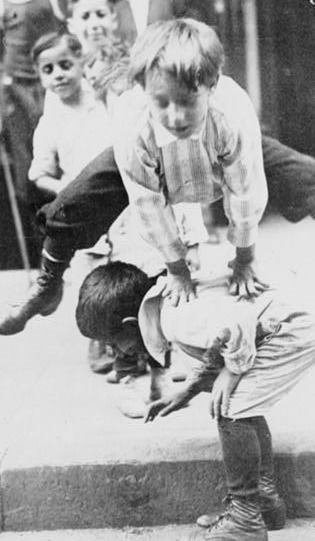
Kids playing next to the Metropole:

The Metropole should be rehabbed, but not as a hotel, rather it should be rehabbed as a better SRO for the poor.
I think a Boutique Hotel is also a fine idea. There are several vacant buildings nearby that would work well:

Or this block:

Living with all kinds of people is part of the reality of living in the city and I really want people to think about this issue. It goes to the heart of what kind of city we want Cincinnati to be.
Your opinion?


.JPG)




 Posts
Posts


